Who You Are
As a designer and embroidery product reviewer, I’ve evaluated countless machine embroidery designs. When I first saw "Who You Are," it immediately caught my attention—not just for its visual appeal, but for the emotional resonance it carries. This design is more than just a graphic; it’s a statement, a conversation starter, and a powerful tool for those who want to express their chronic illness personality through creative means.
The First Impression: Mood, Layout, and Visual Personality
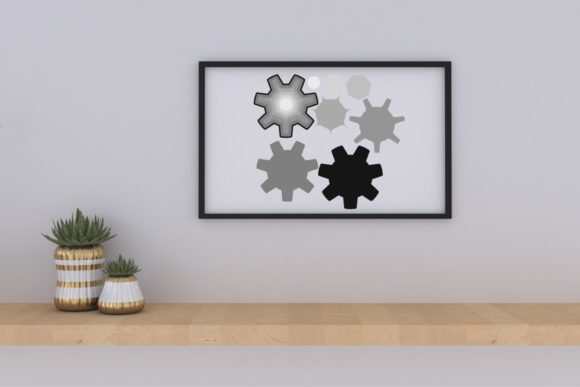
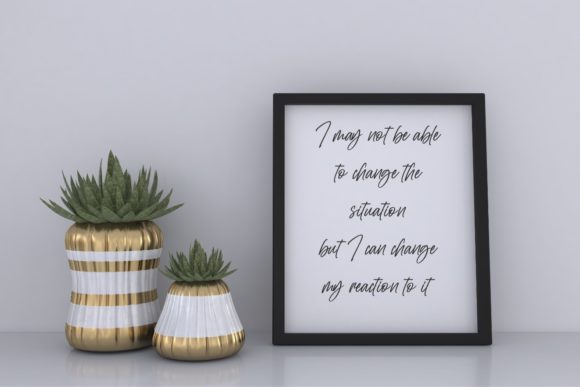
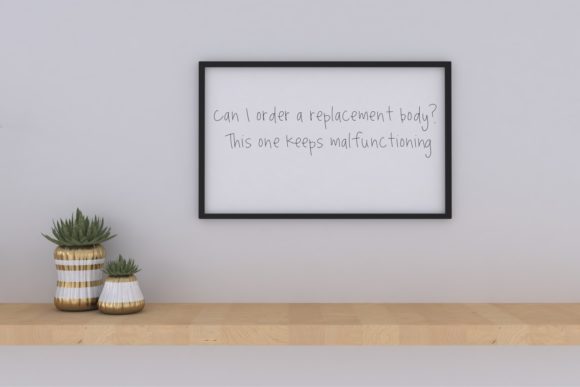
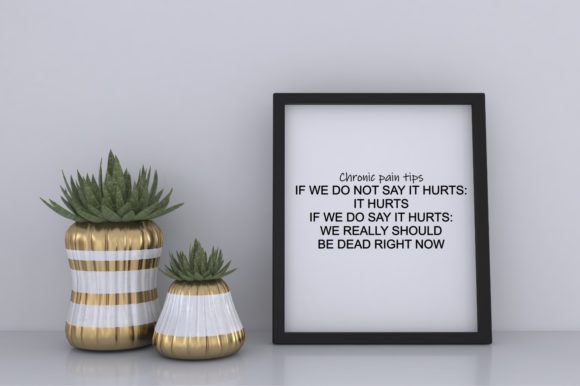
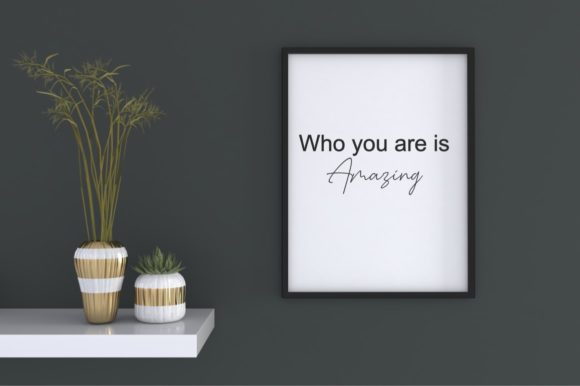
"Who You Are" has a bold, confident aesthetic that feels both personal and universal. The layout is clean, with a strong central image that commands attention. It doesn’t overwhelm, but it also doesn’t shy away from making an impression. The design’s theme is deeply relatable, especially for those who live with chronic illness—there’s a raw honesty in the message that translates well into embroidery work.
The shape of the design is versatile enough to fit on a variety of items, from tote bags to baby onesies. Its detail level is sufficient for most embroidery projects, though it’s not overly complex. That makes it ideal for both beginners and experienced embroiderers looking for something meaningful without too much technical hassle.
Real-Life Embroidery Use Cases
Imagine you’re working on a custom embroidered tote bag for a client who wants to show off their resilience. "Who You Are" would be a perfect fit. The design’s simplicity allows it to stand out without being distracting, and its message adds a personal touch that customers will appreciate.
It also works well as a sweatshirt embroidery or a baby item. For example, a personalized onesie with this design could become a cherished keepsake for parents who want to celebrate their child’s journey. The design’s clarity ensures it looks great on both light and dark fabrics, which is essential for small business owners selling handmade products.
Another scenario is using "Who You Are" as an embroidered patch. Patches are popular for jackets, backpacks, and even pet accessories. The design’s structure makes it suitable for applique, satin stitch, and fill stitch techniques, giving you flexibility in how you apply it.
Where to Be Careful: Design Limitations and Practical Considerations
While "Who You Are" is a strong design, there are a few areas where caution is needed. If you're planning to use it on small hoop sizes, you may find the details too intricate to stitch properly. Similarly, on textured or stretchy fabrics, the design might not sit as smoothly as on a smooth cotton or linen base.
For thin or dark fabrics, you’ll need to ensure the thread colors contrast well. A white thread on a black background might not be visible enough, so testing different color options is key. Also, if the design includes tiny lettering or detailed corners, make sure your machine can handle the precision required.
Dense stitch areas could lead to puckering or distortion, especially on lightweight materials. Using the right stabilizer and adjusting the stitch density accordingly can help avoid these issues. Always test the design on scrap fabric before committing to a final project.
Impact on Visual Appeal and Customer Perception
Embroidered designs like "Who You Are" add value to handmade products by offering a unique, personal touch. Customers often look for items that reflect their identity or values, and this design does exactly that. It can enhance the perceived value of a product, whether it’s a custom apparel piece or a boutique item sold online.
When used effectively, "Who You Are" can build trust between the seller and the buyer. It shows that the creator understands the customer’s needs and is willing to offer something meaningful. This kind of connection is crucial for Etsy sellers and small shop owners aiming to create a loyal customer base.
From a branding perspective, the design can serve as a consistent visual element across multiple products. Whether it’s a printable mockup or a digital embroidery file, "Who You Are" maintains its impact and relevance, making it a valuable addition to any craft business’s design assets.
Practical Designer Notes: What to Check Before Using
Before incorporating "Who You Are" into your projects, here are a few practical steps to take:
- Test on scrap fabric to see how the design stitches and sits on different materials.
- Check thread color contrast against both light and dark backgrounds.
- Review stitch density to ensure it’s appropriate for your project’s fabric type.
- Confirm hoop size requirements to avoid stitching limitations.
- Inspect small details like lettering or corners for clarity.
- Test in black and white mockups to see how it appears without color.
- Use proper stabilizer for delicate or stretchy fabrics.
- Verify licensing if you plan to sell finished items or digital products.
These steps help ensure that "Who You Are" not only looks good but also performs well in real-world applications.
Final Thoughts: Who You Are in the Right Context
"Who You Are" is a thoughtful design that fits well in a range of embroidery projects. It’s particularly suited for personalized gifts, custom apparel, and small business merchandise. However, it’s important to consider the context in which it’s used—whether it’s for a handmade product, a commercial embroidery project, or a digital design asset.
As a designer, I recommend using "Who You Are" in situations where the message aligns with the product’s purpose. It’s not just a graphic; it’s a way to connect with others, express individuality, and create something meaningful. With the right approach, it can elevate your craft business and resonate with your audience in a deep, authentic way.