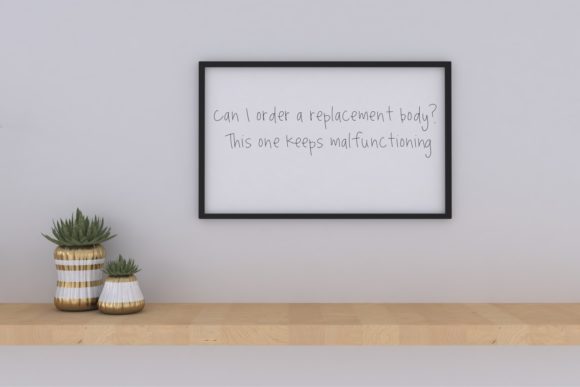
Replacement Body
As a designer and embroidery product reviewer, I often find myself evaluating machine embroidery designs for real-world use. Replacement Body is one such design that caught my attention—not just for its visual appeal, but for the emotional narrative it carries. It’s a piece that speaks to a very personal experience, making it a unique addition to any craft business or handmade project.
The First Impression
From the moment I opened the file, I was struck by the boldness of Replacement Body. The design has a strong, almost defiant visual personality. Its layout is clean but meaningful, with a focus on the central image that immediately draws the eye. The shape and theme are straightforward—intended to be a statement piece rather than something subtle or decorative.
This design feels like it belongs in a custom apparel project, especially for those looking to make a powerful, personal statement. It’s not the kind of design you’d put on a baby onesie unless it’s part of a specific, intentional message. But for a sweatshirt, tote bag, or embroidered patch, it could be a standout feature.
Real-Life Embroidery Scenarios
Testing Replacement Body on a variety of fabrics and projects gave me a good sense of how it performs in real-life embroidery situations. On a cotton tote bag, it looked sharp and clear, especially when using a medium stitch density. The design didn’t require too much detail, which made it ideal for a quick, professional finish.
On a sweatshirt, the design held up well, though I noticed that on darker fabric, the thread color needed to be carefully chosen to ensure visibility. For a personalized gift, this could be a great way to add a meaningful touch without overcomplicating the design.
For baby items, I’d recommend using a smaller hoop size and ensuring that the fabric is stable. The design is not overly intricate, so it should work fine on thin or stretchy materials, but I’d advise testing it first. On a cap or hat, the curvature of the surface made the stitching slightly more challenging, especially around the edges where the design meets the brim.
Where to Use Carefully
While Replacement Body is versatile, there are certain scenarios where it might not perform as well. For instance, on small hoop sizes, the design could feel cramped, especially if the details are too close together. This might lead to stitching issues or an uneven appearance.
Textured fabrics, such as fleece or knits, can also affect how the design looks. The stitches may not lay flat, which could reduce the overall quality of the finished product. Similarly, on thin or stretchy fabric, the design might not hold up as well under repeated use or washing.
When working with dark fabrics, I found that the thread color choice was critical. A light-colored thread might blend in too much, while a darker thread could overpower the design. It’s always a good idea to test the design on both light and dark backgrounds before committing to a full project.
Visual Appeal and Customer Perception
Replacement Body has a strong visual presence that can elevate the value of any handmade product. When used on a custom apparel item, it adds a level of uniqueness that customers often appreciate. It’s a design that invites conversation, which can be a big plus for Etsy sellers or small shop owners looking to stand out.
However, the design’s boldness might not appeal to everyone. Some customers might find it too direct or even uncomfortable, depending on their personal preferences. That’s why it’s important to consider your target audience before incorporating it into your product line.
For commercial embroidery projects, Replacement Body could be a good fit, especially if the brand or message aligns with the design’s tone. It’s a strong visual element that can help reinforce brand identity, but it needs to be used strategically.
Practical Designer Notes
Before using Replacement Body in any project, I recommend testing it on scrap fabric. This will give you a better idea of how the stitches look and how the design interacts with different materials. Checking the thread color contrast is also essential, especially if you’re planning to use it on a variety of fabric types.
Reviewing the stitch density is another key step. If the design is too dense, it might cause the fabric to pucker or the stitches to become too stiff. Confirming the correct hoop size will help ensure that the design fits well and doesn’t require excessive re-hooping during the embroidery process.
Inspecting the small details is important too. Even though Replacement Body isn’t overly complex, some areas might need extra attention, especially around the edges or in areas with tight lines. Testing the design in black and white mockups can also help you see how it looks without color distractions.
Using the right stabilizer is crucial, especially on delicate or stretchy fabrics. It helps keep the design in place and prevents distortion. Also, make sure the design works for both personal and commercial projects, and always check the licensing terms before selling finished items or digital products.
Final Thoughts
Replacement Body is a design that carries emotional weight and a clear visual message. It’s best suited for projects that allow for a strong, personal statement, such as custom apparel, tote bags, or embroidered patches. While it has some limitations in certain applications, it can still be a valuable addition to a craft business or handmade product line.
If you’re looking for a design that stands out and tells a story, Replacement Body could be a great fit. Just remember to test it thoroughly and consider your audience before using it in a finished product. With the right approach, it can become a meaningful and effective part of your embroidery projects.