Saved My Spoons
As a designer and embroidery product reviewer, I’ve seen countless digital files that promise the world but deliver little in practice. Saved My Spoons is one of those designs that stands out not for its complexity, but for its emotional resonance and practical usability. It’s a design that speaks to a very specific audience—those living with chronic illness or pain—and offers a way to express that experience through embroidery. But how does it hold up in real-world projects? Let’s break it down.
The First Impression: A Design with Personality
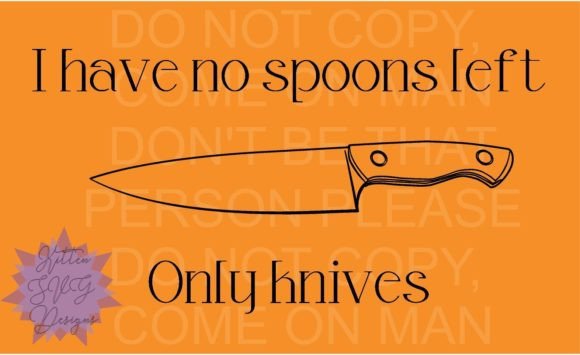
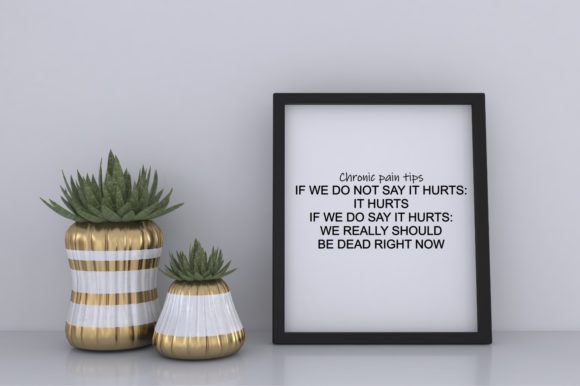
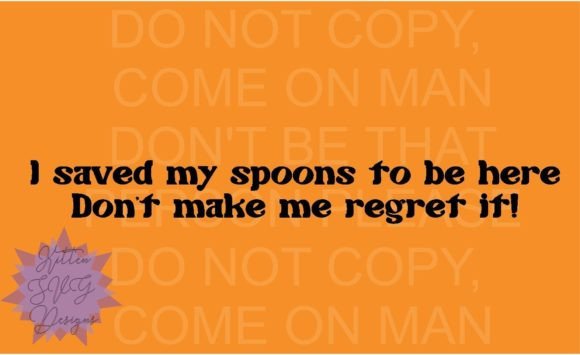
Saved My Spoons immediately conveys a sense of humor and defiance. The image isn’t just a simple graphic—it has a visual personality that feels authentic. The layout is clean, the shape is well-proportioned, and the theme is clear. It’s designed to be both recognizable and meaningful, which makes it ideal for personalized gifts or handmade products that carry an emotional message.
The detail level is moderate, making it suitable for most embroidery machines without requiring excessive stitch counts or complex stitching techniques. This means it can be used on a variety of projects without overcomplicating the process. Whether you’re working on a custom tote bag or a baby onesie, the design has a natural place in your creative workflow.
Real-World Embroidery Use Cases
Saved My Spoons works best on larger, flat surfaces where the design can be clearly seen. A custom sweatshirt, tote bag, or apron design would be a great fit. It also has potential as an embroidered patch, especially for those looking to create unique, conversation-starting items for their craft business or Etsy shop.
For small shop products, this design could serve as a standout item that resonates with customers who want to express their experiences through wearable art. It’s also a strong candidate for holiday or gift items, as it offers a personal touch that can be tailored to different occasions.
When used on baby items, the design needs careful consideration. While the theme is meaningful, the imagery might not be appropriate for all parents. It’s important to gauge the audience before using it on nursery decor or baby clothing.
Where to Be Careful
There are a few areas where Saved My Spoons may not perform as well. For instance, on small hoop sizes, the design might feel cramped or lose some of its clarity. If you're planning to use it on a cap or hat, you’ll need to ensure the hoop size accommodates the full design without distortion.
Fabric texture can also affect the outcome. On thin or stretchy materials, the stitches may not sit as smoothly, and on dark fabrics, the thread color contrast may need adjustment. If you’re using it on layered garments or curved surfaces, consider how the design will look when stitched onto those shapes.
Small details like lettering or intricate corners might require extra attention. If the design is too dense in certain areas, it could lead to puckering or uneven stitching. Always test it on scrap fabric first to see how it performs on your specific machine and materials.
Visual Appeal and Customer Reaction
One of the strongest aspects of Saved My Spoons is its ability to spark conversation. Customers who see this design on a shirt, tote, or pillow cover often respond with curiosity or shared understanding. It adds value to a handmade product by offering more than just aesthetics—it tells a story.
From a branding perspective, this design can help establish a unique identity for a craft business or Etsy shop. It’s a statement piece that aligns with the values of many modern buyers who appreciate authenticity and emotional depth in their purchases.
For commercial embroidery projects, Saved My Spoons can be a reliable asset if used correctly. It’s versatile enough to work on a range of items, from promotional merchandise to personalized gifts, and it maintains a professional look when executed well.
Practical Designer Notes
Before using Saved My Spoons in any project, always test it on scrap fabric. This helps you understand how the design looks in real life and whether it meets your expectations. Check the thread color contrast—especially on dark or light backgrounds—to ensure the design stands out as intended.
Review the stitch density and confirm the hoop size required. If the design is too large for your machine, you may need to adjust it or split it into sections. Also, inspect small details like corners or lettering to make sure they come out cleanly.
Use proper stabilizer for delicate or stretchy fabrics to prevent puckering. If you’re planning to sell finished products or digital files, confirm the licensing terms to avoid any legal issues. And don’t forget to test the design in black and white mockups to see how it translates to different fabric colors.
Final Thoughts: A Design That Speaks Volumes
Saved My Spoons is more than just an embroidery file—it’s a statement. It’s a design that connects with people on a personal level and has the potential to elevate a wide range of handmade products. Whether you’re an Etsy seller, a craft business owner, or a hobbyist looking to add something meaningful to your portfolio, this design offers both emotional and practical value.
With the right approach, Saved My Spoons can become a trusted part of your embroidery project library. Just remember to test it, adjust for your materials, and consider the context in which it will be used. When done right, it’s a design that not only looks good but also tells a powerful story.