Medication Side Effect
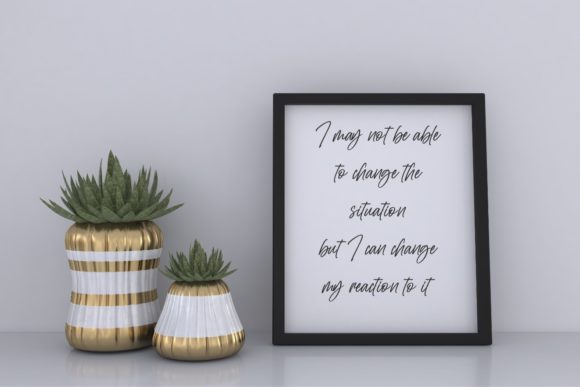
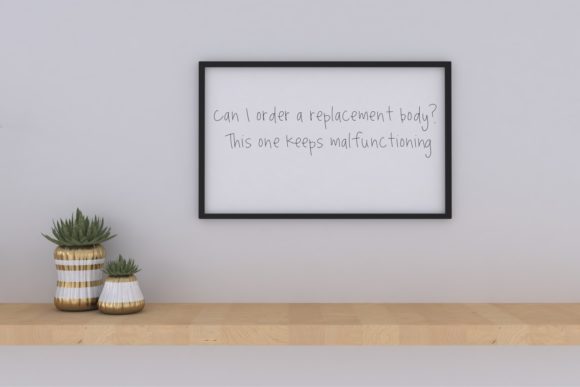
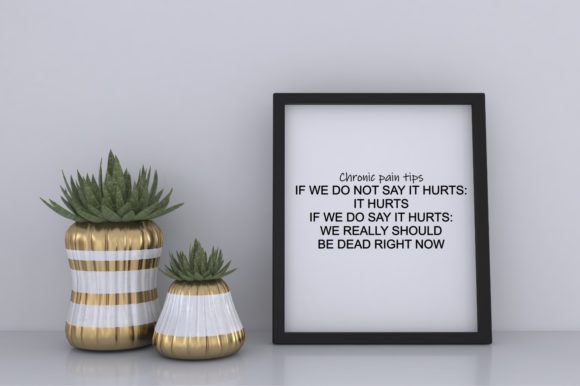
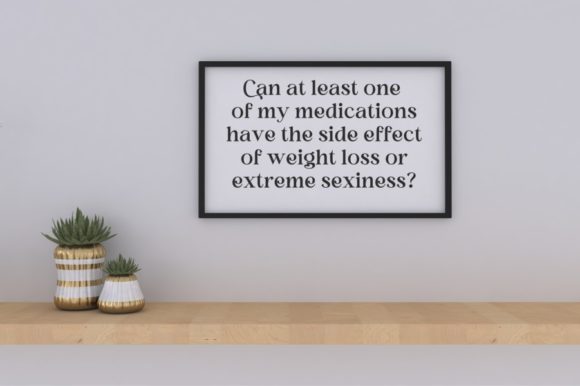
The Medication Side Effect design is a bold, expressive piece that captures the emotional weight of living with chronic illness. It’s not just a graphic—it’s a statement. The imagery and layout feel intentional, with a mix of humor and vulnerability that could resonate deeply with those who live with ongoing health challenges. The design’s visual personality makes it ideal for embroidery projects that aim to communicate authenticity, whether as a personal item or a handmade product for others.
First Impressions: Mood, Layout, and Visual Personality
From the moment you see Medication Side Effect, it sets a tone. The composition feels slightly edgy, with a balance between simplicity and detail that suggests it was designed with both practicality and expression in mind. The layout isn’t overly complex, which makes it adaptable for various embroidery applications. It has a modern, clean aesthetic that could work well on casual apparel, baby items, or even as an embroidered patch for a personalized gift.
The design’s theme is clear: it’s meant to be a conversation starter. Whether it’s used on a tote bag, a sweatshirt, or a pillow cover, it invites curiosity and connection. The shape and structure are straightforward, making it suitable for most embroidery machines without requiring advanced techniques.
Real-Life Embroidery Scenarios: Where Medication Side Effect Shines
Imagine preparing a custom embroidered tote bag for a client who wants something unique to carry their medication and supplies. Medication Side Effect could be the perfect addition—bold enough to stand out but not overwhelming. It would work well as a central design on the front of the bag, adding a touch of personality without sacrificing functionality.
On a sweatshirt, the design could serve as a subtle yet meaningful detail, especially if placed on the back or sleeve. For baby items, like a onesie or a blanket, it might be too dark or intense, but with careful consideration of color and placement, it could still be a thoughtful gift for parents who want to express their experiences.
As an embroidered patch, Medication Side Effect could be a powerful statement for a custom jacket or backpack. Its size and detail make it suitable for medium to large hoop sizes, which is important for maintaining clarity in the final stitch.
Where to Be Careful: Limitations and Practical Considerations
While Medication Side Effect is versatile, there are some limitations to keep in mind. On small hoop sizes, the design may lose some of its detail, especially in areas with fine lines or intricate elements. If you’re working with textured fabrics, such as fleece or corduroy, the stitching might not lay flat as smoothly as on a smooth cotton fabric.
Thin or stretchy fabrics can also pose challenges. The design’s stitch density may cause puckering or distortion if not properly stabilized. Dark fabrics might require a different thread color to ensure visibility, and layered garments could complicate the application of the design.
For curved surfaces like caps or hats, the design might need slight adjustments to fit the contour. Tiny lettering or detailed corners could be difficult to execute without a high-quality machine and precise settings. If the design includes dense stitch areas, it may require extra stabilizer to prevent shifting during the embroidery process.
Impact on Visual Appeal and Customer Perception
When it comes to visual appeal, Medication Side Effect has a strong presence. Its design elements are clear and distinct, which helps it stand out in a crowded market. For a handmade product or a personalized gift, this kind of design can elevate the perceived value, making it more than just an item—it becomes a meaningful piece.
Customers who relate to the theme may feel a deeper connection to the finished product, which can enhance trust and engagement. However, it’s important to consider the audience. Not everyone will relate to the subject matter, so it’s crucial to present the design in a way that respects its message while remaining accessible.
Practical Designer Notes: Testing and Preparation
Before using Medication Side Effect in a real project, it’s wise to test it on scrap fabric. This allows you to see how the design translates from digital to physical and identify any potential issues. Check thread color contrast to ensure the design stands out on the chosen fabric. Review the stitch density to avoid overworking the material or causing visible damage.
Confirm the hoop size required for the design, as this affects how it’s applied to different items. Inspect small details to ensure they remain visible after stitching. Test the design in black and white mockups to see how it looks without color. Compare it on light and dark fabric backgrounds to determine the best presentation.
Use proper stabilizer to support the fabric and prevent puckering. Make sure the design works for both personal and commercial use, and always check the licensing terms before selling finished items or digital products. These steps help ensure that Medication Side Effect meets the standards of a professional embroidery project.
Conclusion: A Design That Speaks Volumes
Medication Side Effect is more than just a graphic—it’s a design that carries meaning and intention. It’s suited for embroidery projects that aim to connect with people on a personal level, whether as a handmade product, a personalized gift, or a commercial item. With the right preparation and execution, it can add value, uniqueness, and emotional depth to a wide range of craft business offerings.
For embroidery designers, Etsy sellers, and small shop owners, this design offers a chance to create something that resonates. It’s a reminder that sometimes the most powerful designs are the ones that tell a story—and Medication Side Effect does exactly that.