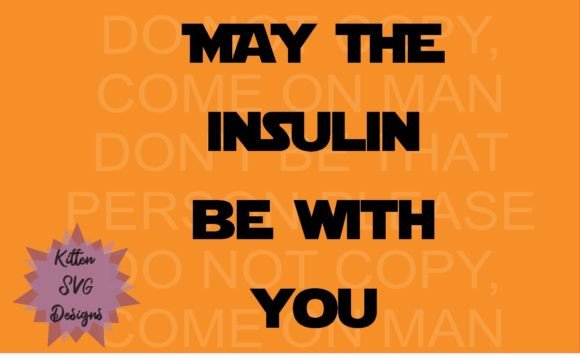
May the Insulin
As an embroidery designer and product reviewer, I often find myself evaluating new designs with a critical eye—looking at how they translate from digital to fabric, how they fit into real-world projects, and how they might resonate with customers. May the Insulin is one such design that stands out for its bold message and unique visual style. It’s not just a graphic; it’s a statement, and that makes it both intriguing and challenging to work with.
The First Impression
From the moment you open the file, May the Insulin has a clear visual personality. The design features a stylized insulin syringe, surrounded by the phrase “May the Insulin” in a clean, modern font. The overall mood is a mix of humor and resilience—something that speaks directly to those living with chronic illness or pain. It’s not subtle, but it’s intentional. The layout is balanced, with enough detail to make it visually engaging without being overwhelming.
This design feels like it belongs on custom apparel, especially items that are meant to be worn proudly. A tote bag, sweatshirt, or even a baby onesie could all be great candidates. The simplicity of the text and icon makes it adaptable, but it also means that the design’s success depends heavily on how it’s executed in embroidery.
Real-Life Embroidery Scenarios
When considering May the Insulin for real-life embroidery, the first thing to think about is the type of project. This design works best on larger, flat surfaces where the details can shine. A tote bag or sweatshirt would be ideal, as they provide ample space for the design to breathe. However, it might not be the best choice for smaller items like caps or patches, where the limited hoop size could cause issues with detail retention.
For a handmade product or personalized gift, May the Insulin has a strong emotional appeal. It’s something that could resonate deeply with customers who want to express their experience with chronic illness in a creative way. But it’s also important to consider the audience. Not everyone will relate to the message, so it’s worth thinking about how it fits into your brand or target market.
Where to Use It Carefully
There are certain situations where May the Insulin may not perform as well. On textured fabrics or thin materials, the design could lose some of its clarity. Stretchy or dark fabrics might also pose challenges, especially if the thread color doesn’t contrast well. For example, a black thread on a dark background could make the design look muddy or unclear.
When working with curved surfaces like caps or hoods, the design’s straight lines and sharp corners might not translate smoothly. Similarly, if the design includes small lettering or intricate details, it could become distorted during stitching. It’s also worth noting that dense stitch areas could lead to puckering or distortion, especially on delicate fabrics.
Visual Appeal and Customer Perception
May the Insulin has the potential to elevate a handmade product or commercial embroidery project. Its bold message and clean design can add value to a finished item, making it more than just a decorative element. When done well, it can create a sense of authenticity and connection with the customer.
However, the success of the design depends on execution. If the stitching is too dense or the stabilizer isn’t properly used, the final result could look unprofessional. That’s why it’s essential to test the design on scrap fabric before committing to a full project. Checking thread color contrast and adjusting stitch density can make a big difference in how the design looks once stitched.
Practical Designer Notes
If you’re planning to use May the Insulin in your embroidery projects, there are a few key steps to take. First, always test the design on a sample fabric. This will help you see how the stitches interact with the material and whether any adjustments are needed. You should also review the stitch density and ensure that the hoop size is appropriate for the design’s complexity.
Another important consideration is the use of stabilizer. Depending on the fabric you’re using, you may need to add extra layers to prevent puckering or distortion. For commercial projects, it’s also crucial to confirm the licensing terms before selling finished products or digital files. While the product description mentions an SVG download, it doesn’t specify whether the design is suitable for resale or commercial use, so you’ll need to verify that separately.
Final Thoughts
May the Insulin is a design that carries a powerful message and has the potential to stand out in the right context. It’s not a one-size-fits-all solution, but when used thoughtfully, it can add a meaningful touch to custom apparel, personalized gifts, or craft business items. As with any machine embroidery design, success comes down to attention to detail, proper technique, and understanding the design’s limitations.
For small shop owners, Etsy sellers, and crafters looking for unique design assets, May the Insulin offers a fresh perspective on how embroidery can be used to express personal experiences. Just remember to approach it with the same care and precision you’d apply to any other embroidery project. After all, the goal is to create a finished product that’s both beautiful and meaningful.