Have You Tried: A Bold Embroidery Statement
As an embroidery designer and product reviewer, I've seen countless designs come and go. But when I first laid eyes on Have You Tried, it immediately stood out for its raw, emotional energy. This design isn't just a graphic—it's a conversation starter. The visual personality of the piece is unapologetically honest, with a layout that feels both intentional and expressive. It's perfect for those who want to make a statement through their work, especially in the world of handmade products and personalized gifts.
First Impressions: Mood and Visual Impact
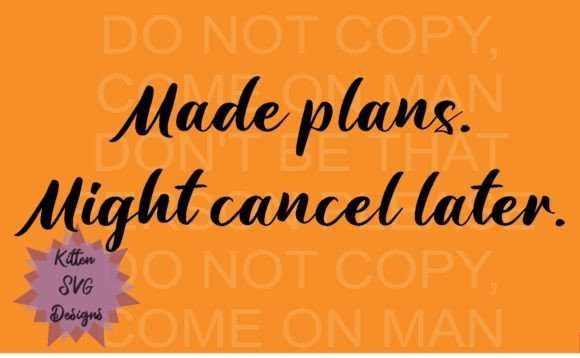
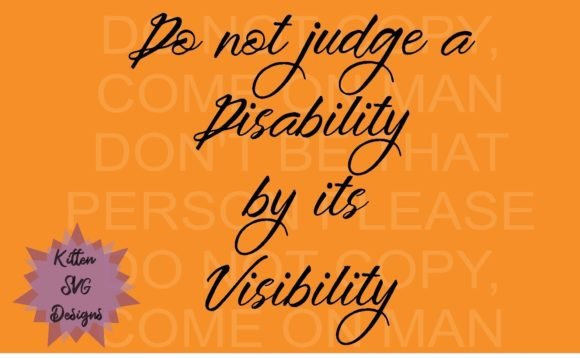
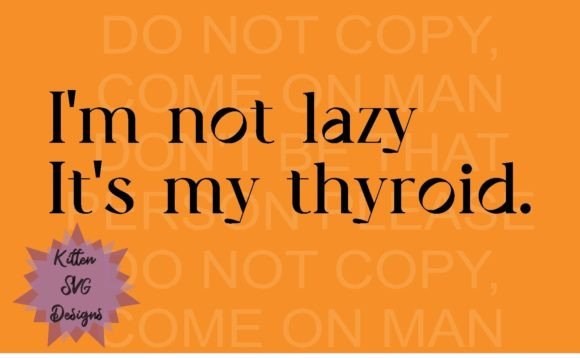
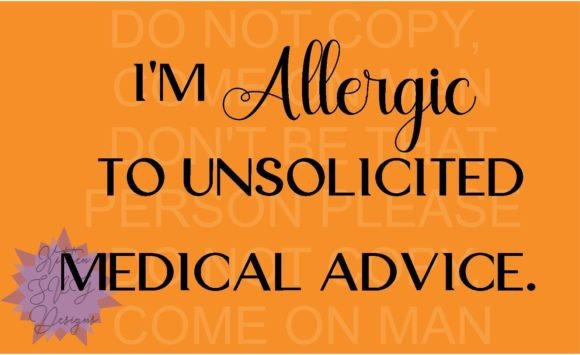
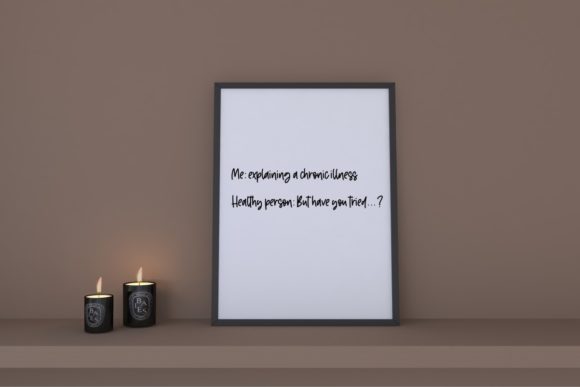
The first thing that grabs your attention is the boldness of the design. The shape and composition are clean, yet they carry a sense of defiance and vulnerability. It’s not a subtle piece; it’s designed to be seen. The theme centers around chronic illness, which gives it a unique edge. It’s not just about aesthetics—it’s about identity, frustration, and resilience. This kind of visual personality makes it ideal for custom apparel, baby items, or even as an embroidered patch on a jacket or bag.
The level of detail is moderate, which means it works well on a variety of fabrics without becoming too complicated. The design doesn’t rely on intricate patterns or excessive elements. Instead, it uses strong lines and simple shapes to convey its message. That makes it versatile for different embroidery projects, from tote bags to sweatshirts.
Real-World Embroidery Use Cases
When considering where Have You Tried would fit best, it naturally lends itself to custom apparel and small business merchandise. Imagine it on a tote bag for a wellness brand, or as a sweatshirt design for a boutique that caters to those living with chronic conditions. It also works well as a baby item—perhaps a onesie or a blanket—that speaks to the parent's experience. The design has a personal touch that can translate into meaningful, handmade products.
For Etsy sellers and craft entrepreneurs, this design could be a valuable addition to a digital product collection. It’s suitable for printable mockups, digital embroidery files, and commercial use as long as the licensing allows. However, it’s important to test it on different fabric types before finalizing any project. For example, if you're planning to use it on a cap or a hat, the curved surface might require some adjustments to ensure the design looks good after stitching.
Where to Be Cautious
While Have You Tried is a strong design, there are some situations where it may not perform as well. If you're working with small hoop sizes, the design might be too large to fit comfortably. Similarly, on thin or stretchy fabrics, the stitch density could cause puckering or distortion. Dark fabrics may also require careful consideration of thread colors to ensure visibility and contrast.
If you're planning to use this on layered garments or textured materials, you’ll need to adjust your stabilizer use accordingly. The design has areas with dense stitching, so proper support is essential. Tiny lettering or detailed corners could become lost if not handled carefully. It’s always a good idea to do a test run on scrap fabric before committing to a full project.
Impact on Visual Appeal and Customer Perception
One of the key strengths of Have You Tried is how it enhances the visual appeal of any finished product. Whether it's on a tote bag, a pillow cover, or a holiday gift, the design adds a layer of meaning that goes beyond mere decoration. It can increase the perceived value of a handmade product, especially when paired with quality stitching and thoughtful presentation.
Customers often respond positively to designs that reflect real emotions and experiences. This makes Have You Tried a great choice for personalized gifts or custom apparel. It also helps build trust between the seller and the buyer, as it shows a deeper understanding of the target audience. For small shop owners and craft businesses, this kind of design can be a powerful branding tool.
Practical Designer Notes
Before using Have You Tried in your own projects, here are a few practical tips to keep in mind:
- Test the design on scrap fabric first to see how it looks with your chosen thread colors.
- Review the stitch density to ensure it’s appropriate for your fabric type.
- Confirm the hoop size needed to accommodate the design without cutting off any details.
- Inspect small details like lettering or corners to make sure they remain clear after stitching.
- Try it in black and white mockups to see how it translates without color.
- Compare it on light and dark fabric backgrounds to determine the best contrast.
- Use the right stabilizer for your project to prevent puckering or distortion.
- Check whether the design is suitable for both personal and commercial use.
- Confirm the licensing terms before selling finished items or digital products.
Final Thoughts: Is Have You Tried Worth It?
Have You Tried is more than just an embroidery design—it’s a statement. Its emotional depth and visual strength make it a compelling choice for designers, small business owners, and crafters looking to create meaningful, handmade products. Whether you’re working on custom apparel, personalized gifts, or commercial embroidery projects, this design has the potential to add real value and authenticity to your work.
Of course, like any machine embroidery design, it requires careful consideration of fabric type, hoop size, and stitch density. But with the right approach, Have You Tried can become a standout element in your collection of design assets. For those looking to connect with their audience on a deeper level, this is a design worth exploring.