Disability is Invisible Not Imaginary
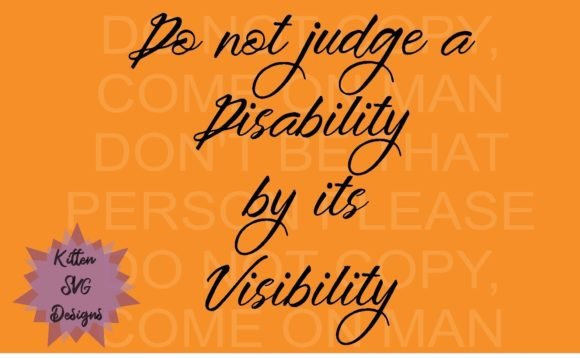
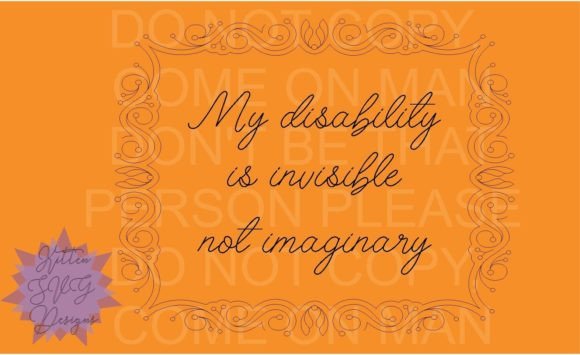
As an embroidery designer and product reviewer, I’ve evaluated countless machine embroidery designs. Disability is Invisible Not Imaginary stands out for its bold message and emotional resonance. This design isn’t just a graphic—it’s a statement that can be woven into everyday items with care and intention.
First Impressions: A Design That Speaks Volumes
From the moment I viewed Disability is Invisible Not Imaginary, I recognized its power to provoke thought and spark conversation. The layout is clean, the theme is clear, and the visual personality feels authentic. It’s not overly complex, but it carries weight in its simplicity. The design seems ideal for custom apparel, embroidered patches, or even as a printable mockup for digital product sellers.
The shape of the design allows for flexibility in placement. Whether it’s on a tote bag, a sweatshirt, or a baby onesie, it maintains its impact. The level of detail is moderate, which means it should translate well to most embroidery machines without requiring excessive stitch counts or complicated techniques.
Real-World Embroidery Use Cases
When considering how Disability is Invisible Not Imaginary would perform in real-life embroidery situations, I think about the practicality of using it in various projects. For example, if I were creating a custom embroidered tote bag for a client, this design would make a strong visual statement. It could also work well on a sweatshirt, especially for a small business owner looking to offer meaningful, handmade products.
For baby items, like onesies or blankets, the design could serve as a subtle yet powerful way to express a parent’s experience with chronic illness. On a cap or apron, it might be used as a personal statement or a unique addition to a craft fair booth. In any case, the design’s versatility makes it a valuable asset for Etsy sellers, crafters, and small shop owners.
Where to Be Cautious With Disability is Invisible Not Imaginary
While Disability is Invisible Not Imaginary has a lot to offer, there are some areas where caution is warranted. If you’re working with small hoop sizes, you may find that the design doesn’t fit comfortably. Similarly, on textured fabrics or thin materials, the details might not show up as clearly as they would on a smooth, medium-weight fabric.
Stretchy fabrics can also pose challenges. If the design is placed on a garment that stretches, the stitches may distort over time. Dark fabrics might require a different thread color to ensure visibility, and layered garments could complicate the stitching process. For curved surfaces like caps, the design may need to be adjusted slightly to maintain its integrity during embroidery.
Visual Appeal and Customer Perception
Disability is Invisible Not Imaginary has the potential to enhance the visual appeal of any project it’s used in. Its straightforward design ensures that it doesn’t overwhelm the fabric, making it suitable for both minimalist and more detailed looks. When used on a handmade product or personalized gift, it adds a layer of meaning that customers can connect with on a personal level.
Stitching clarity is another important factor. If the design is too dense, it could lead to puckering or distortion, especially on delicate fabrics. On the other hand, if the stitch density is too light, the design might not hold up well over time. Testing the design on scrap fabric before committing to a final project is always a good idea.
Design Value and Brand Consistency
For small business owners and crafters, the value of Disability is Invisible Not Imaginary lies in its ability to align with brand messaging. If your business focuses on inclusivity, mental health awareness, or chronic illness advocacy, this design could be a perfect fit. It adds depth to your product offerings and helps build a stronger connection with your audience.
When used in commercial embroidery projects, the design can help reinforce a brand’s identity. Whether it’s for a boutique product, a holiday gift, or a personalized item, it brings a sense of authenticity and purpose to the finished product. This kind of design can also increase buyer engagement, as customers often seek out items that reflect their values.
Practical Designer Notes
Before using Disability is Invisible Not Imaginary in any project, I recommend testing it on different fabrics to see how it performs. Check the thread color contrast, especially if you plan to use it on dark or light backgrounds. Review the stitch density to ensure it’s appropriate for the type of fabric you’re working with.
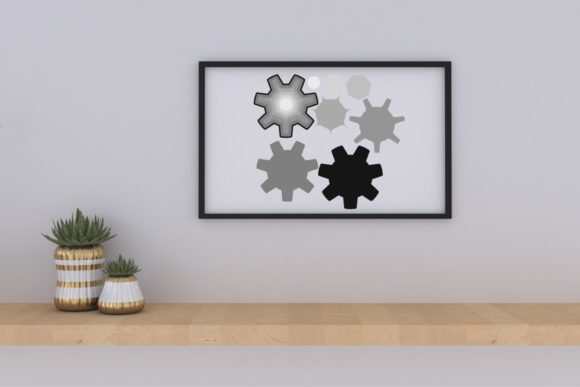
Confirm the hoop size required for the design and make sure it fits your embroidery machine. Inspect the small details closely—especially if there’s any lettering or intricate elements. Test the design in black and white mockups to see how it translates without color. Use the right stabilizer for the fabric type, and always check the licensing terms before selling finished items or digital products.
Final Thoughts: A Design Worth Considering
Disability is Invisible Not Imaginary is more than just an embroidery file—it’s a meaningful addition to any craft business or handmade product line. It offers a unique opportunity to create items that resonate with real people and real experiences. Whether you’re an Etsy seller, a small shop owner, or a creative entrepreneur, this design has the potential to elevate your work and connect with your audience on a deeper level.
With proper care and attention to detail, Disability is Invisible Not Imaginary can become a standout piece in your collection of embroidery projects. It’s a reminder that sometimes the most powerful messages come in the simplest forms.