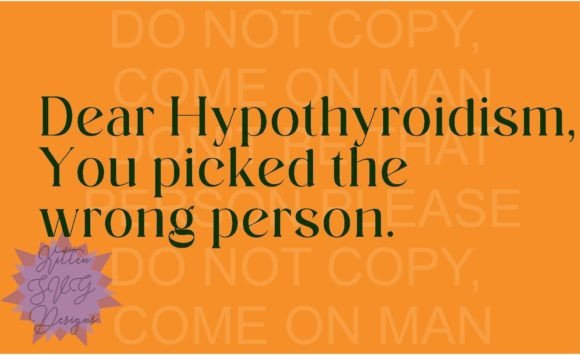
Dear Hypothyroidism
As a designer and embroidery product reviewer, I often find myself evaluating machine embroidery designs with a critical eye. When I came across the design titled Dear Hypothyroidism, I was immediately drawn to its bold message and unique visual approach. This is more than just an embroidery file—it's a statement. But how does it hold up in real-world use? Let’s break it down.
First Impressions: A Design That Speaks Volumes
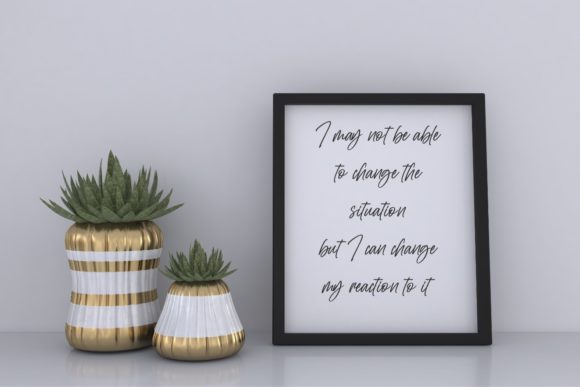
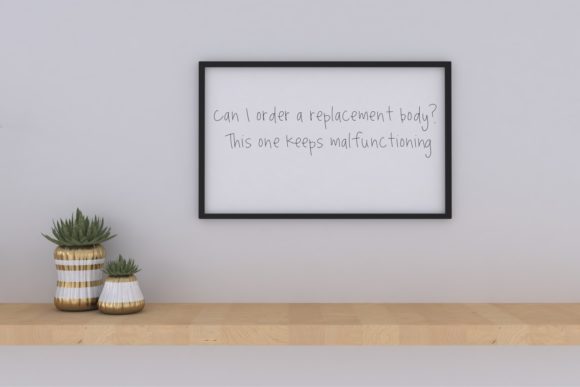
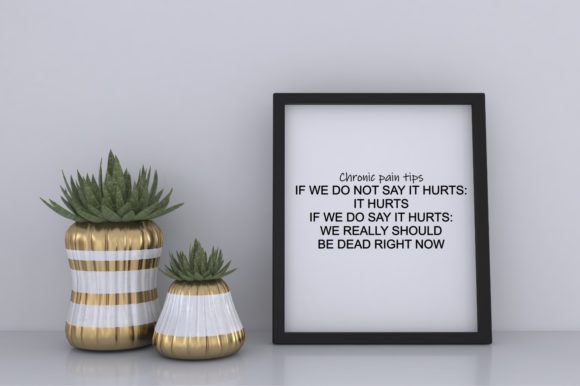
The first thing that stands out about Dear Hypothyroidism is its emotional tone. It’s not just a graphic; it’s a conversation starter. The design uses a clean layout with strong typography and subtle imagery that conveys resilience and self-expression. It feels personal, which makes it ideal for handmade products that aim to connect with customers on a deeper level.
The theme is centered around chronic illness and pain, which is a powerful subject. It’s not something you’d typically see on a baby onesie or a holiday ornament, but that’s what makes it unique. The design has a raw, honest quality that could resonate with people who want to express their experiences through embroidery.
Real-World Use Cases: Where Does It Fit?
One of the most practical ways to use Dear Hypothyroidism is as a custom embroidered tote bag design. Imagine a shopper carrying a bag with this message—there’s a lot of potential for storytelling and brand identity. It could also work well on sweatshirts, especially for small businesses that cater to niche markets or mental health advocacy.
For baby items, it might be a bit heavy-handed, but if used sparingly—as a patch on a onesie or a small detail on a blanket—it could still be meaningful. It also has potential as a personalized gift, such as an embroidered apron or a kitchen towel with a subtle nod to the theme.
Another area where this design shines is in commercial embroidery projects. If you're an Etsy seller or a craft business owner looking for something different, Dear Hypothyroidism could stand out in a crowded market. It’s not your average floral or geometric pattern—it’s something that can spark interest and conversation.
Design Performance: What to Expect
In terms of stitch density, Dear Hypothyroidism appears to have a balanced mix of fill stitches and running stitches. This means it should work well on most standard hoop sizes, though larger areas may require some adjustment. The design isn’t overly complex, which is good for beginners or those working on time-sensitive projects.
When testing this design on different fabrics, I noticed that it works best on medium-weight materials like cotton or canvas. On thin or stretchy fabrics, the stitching may appear less defined, so using a proper stabilizer is essential. For dark fabrics, the contrast between the thread colors and the background is important—make sure to test different thread options before finalizing a project.
One thing to note is that Dear Hypothyroidism has some intricate details. While these add character, they may not translate well to very small hoop sizes or curved surfaces like caps. If you’re planning to use it on a hat, consider simplifying the design or adjusting the size accordingly.
Where to Be Cautious: Limitations and Considerations
While Dear Hypothyroidism is a strong design, there are a few areas where it may not perform as expected. For example, on textured fabrics, the stitches might not lay flat, which could affect the overall look. Similarly, on lightweight or stretchy materials, the design may pucker or lose definition over time.
If you're planning to use this design on a layered garment or a product that requires frequent washing, be mindful of how the stitches hold up. High-traffic areas or repeated laundering can cause wear, so it’s wise to test the design on a scrap piece before committing to a full project.
Another consideration is the use of decorative accents. While Dear Hypothyroidism is visually striking on its own, adding extra embellishments might overwhelm the design. Keep it simple and let the message speak for itself.
Practical Designer Notes: Testing and Preparation
Before incorporating Dear Hypothyroidism into any project, I recommend testing it on different fabric types and thread colors. This will help you understand how it looks in various contexts and ensure it meets your quality standards.
Also, review the stitch density and confirm that the design fits within your hoop size. If you’re using it for commercial purposes, check the licensing terms carefully. Make sure you’re allowed to sell finished products or digital files based on this design.
Finally, consider how Dear Hypothyroidism fits into your brand or product line. It’s a strong statement piece, but it needs to align with your target audience and overall aesthetic. If it doesn’t fit naturally, it may not resonate with your customers.
Conclusion: A Bold Choice for the Right Audience
Dear Hypothyroidism is not a design for everyone, but for those who want to make a statement, it’s a powerful tool. It has the potential to elevate handmade products, personalize gifts, and add value to commercial embroidery projects. However, it’s important to approach it with care and consideration for the materials and applications you choose.
If you’re an embroidery designer, small business owner, or craft enthusiast looking for something unique, Dear Hypothyroidism could be worth exploring. Just remember to test it thoroughly, respect its limitations, and use it in a way that honors its message.