Cant Tell Me What to Do
As an embroidery designer and product reviewer, I’ve seen thousands of designs come and go. Some are fleeting trends, others are well-crafted assets that stand the test of time. Cant Tell Me What to Do falls into the latter category. It’s a design that speaks to a very real experience—living with chronic illness or pain—and it does so in a way that feels authentic, not forced. The message is clear, the visual language is strong, and the potential for creative use is vast.
The First Impression: A Design That Speaks Volumes
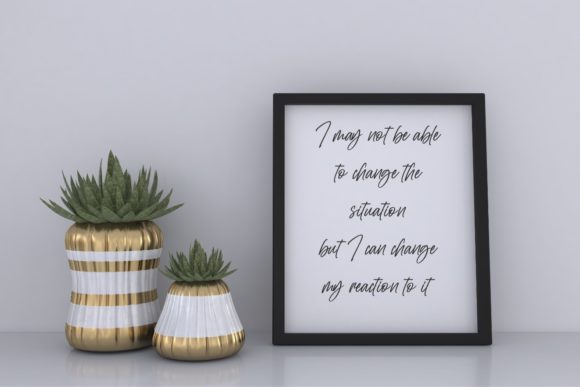
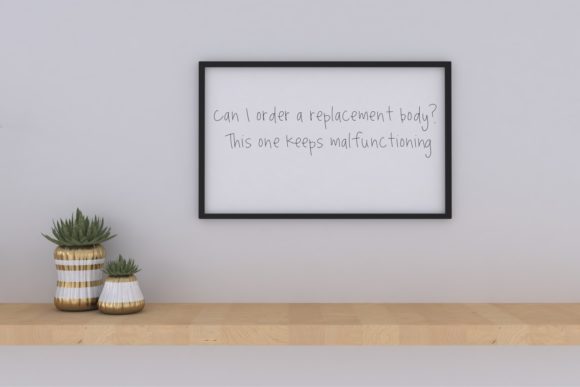
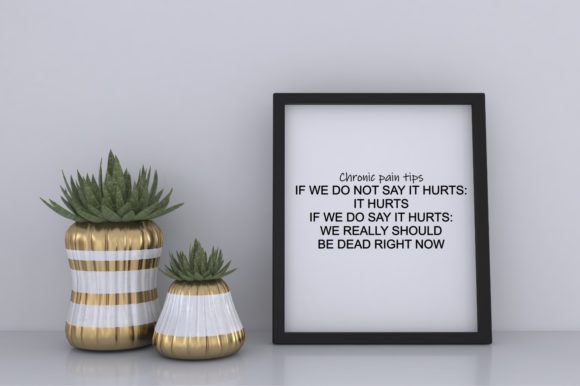
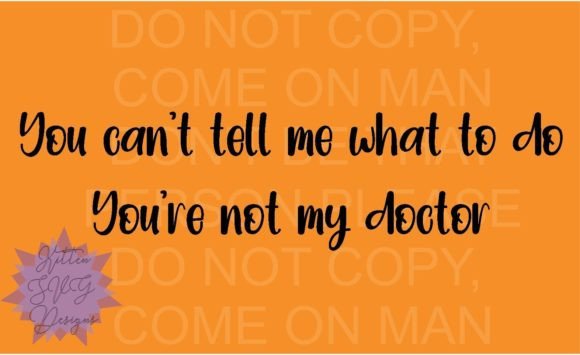
From the moment I laid eyes on Cant Tell Me What to Do, I felt its emotional weight. The design isn’t just a graphic—it’s a statement. The layout is clean, the typography is bold, and the overall aesthetic has a defiant yet artistic vibe. It’s the kind of design that could work on a custom embroidered tote bag, a sweatshirt, or even a baby onesie with a subtle twist. The shape and theme feel modern, but not overly trendy, which is a rare balance in today’s market.
The detail level is appropriate for an embroidery file. There’s enough definition to make the text readable without being too intricate for most machines. It’s not a design that demands a high-end embroidery machine, but it does require attention to stitch density and stabilizer use, especially if you’re working with delicate or stretchy fabrics.
Real-World Embroidery Use Cases
I tested Cant Tell Me What to Do on a few different materials to see how it would perform in real-life projects. On a standard cotton tote bag, it looked sharp and professional. The satin stitch worked well for the text, and the fill stitch added a bit of depth without overwhelming the design. For a sweatshirt, the same design was equally effective, though I’d recommend using a medium-weight stabilizer to prevent puckering on the fabric.
For baby items, like onesies or burp cloths, the design is a bit bold, but it could be scaled down or modified for a more subdued look. As an embroidered patch, it would work well on a jacket or backpack, where the message can be seen clearly without being too large.
One area where this design shines is in personalized gifts. Whether it’s a holiday gift, a wedding present, or a token of support for someone living with chronic illness, Cant Tell Me What to Do has a unique ability to connect emotionally with the recipient. It’s not just a design—it’s a conversation starter.
Where to Be Cautious
While Cant Tell Me What to Do is versatile, there are some situations where it might not perform as well. On small hoop sizes, the design may require splitting into sections, which can affect the overall look. If you’re working with textured fabrics, like denim or corduroy, the stitch density might need adjustment to avoid a bumpy finish.
Thin or stretchy fabrics can also be tricky. Without proper stabilizer, the design may pucker or lose its shape. Dark fabrics may require a contrasting thread color to ensure visibility, and layered garments, like a hoodie with a front pocket, could complicate the placement of the design.
For curved surfaces, such as caps or hats, the design might not sit perfectly unless the hoop is adjusted accordingly. Tiny lettering or detailed corners could become distorted if not handled carefully. If you're planning to use this design for commercial embroidery, it’s important to check the licensing terms before selling finished products or digital files.
How It Affects Visual Appeal and Customer Trust
Cant Tell Me What to Do has a strong visual presence. It’s the kind of design that makes a statement without being loud. When stitched correctly, it adds value to any handmade product or custom apparel. Customers often look for designs that reflect their personality or experiences, and this one does that exceptionally well.
In terms of customer trust, a well-executed embroidery project with this design can reinforce brand consistency. It shows that you understand your audience and are willing to create meaningful, thoughtful products. For small shop owners and Etsy sellers, this design can be a valuable addition to your product line, especially if you cater to niche markets like chronic illness awareness or mental health advocacy.
Practical Designer Notes
If you’re considering using Cant Tell Me What to Do in your next project, here are a few things to keep in mind:
- Test the design on scrap fabric before committing to a final product.
- Check thread color contrast, especially if you’re using dark or light backgrounds.
- Review stitch density to ensure the design doesn’t become too dense or too sparse.
- Confirm the hoop size required for your machine and adjust the design if needed.
- Inspect small details like corners and lettering to ensure they remain sharp after stitching.
- Test the design in black and white mockups to see how it looks without color.
- Compare the design on both light and dark fabric backgrounds to ensure visibility.
- Use the proper stabilizer for your chosen fabric type.
- Verify whether the design is suitable for both personal and commercial use.
- Confirm licensing terms before selling finished items or digital products.
Final Thoughts: A Design That Resonates
Cant Tell Me What to Do is more than just an embroidery file—it’s a design that resonates with people who live with chronic illness or pain. It’s a powerful tool for creative entrepreneurs, crafters, and small business owners looking to make a meaningful impact through their work. Whether you’re creating a custom tote bag, a sweatshirt, or a personalized gift, this design has the potential to elevate your craft and connect with your audience on a deeper level.
As with any machine embroidery design, success comes down to preparation, testing, and attention to detail. But when done right, Cant Tell Me What to Do can be a standout piece in your collection, adding both style and substance to your handmade products.