Bad Memory Embroidery Design Review
As an embroidery designer and product reviewer, I’ve seen thousands of designs come and go. Some are just okay, others are forgettable, and a rare few stand out for their practicality and personality. Bad Memory is one of those rare finds. It’s not just a design—it’s a statement. But before you jump into using it in your next project, let’s take a closer look at what this design offers and where it truly shines.
The First Impression: Mood, Layout, and Visual Personality
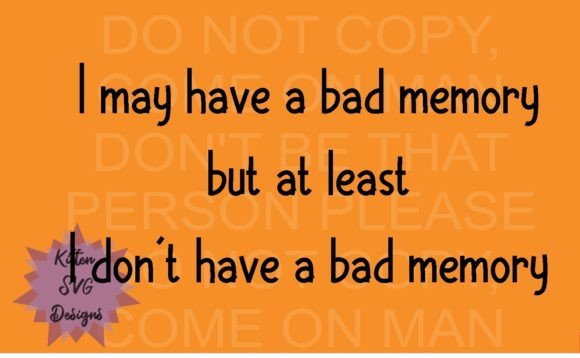
From the moment I opened the SVG file, Bad Memory immediately caught my attention. The design has a bold, almost defiant energy that feels authentic. It’s not overly complicated, but it’s visually engaging with a clean layout that doesn’t feel cluttered. The central image is simple yet powerful, making it easy to adapt across different mediums.
The theme is clear: it’s meant for people who live with chronic illness or pain. It’s a way to express frustration, resilience, and identity—something that resonates deeply with many crafters and small business owners. The visual personality of Bad Memory is raw, honest, and unapologetic, which makes it perfect for handmade products that tell a story.
Real-World Use Cases: Where Bad Memory Fits Best
One of the first projects I imagined using Bad Memory was a custom embroidered tote bag. It would be a great addition to a boutique shop or an Etsy listing focused on wellness, self-expression, or mental health awareness. The design isn’t too detailed, so it works well on larger surfaces like bags, sweatshirts, or aprons.
I also see it as a strong candidate for baby items, especially ones that parents might want to personalize with a message about their child’s journey or their own experience. It could work as an embroidered patch for a jacket or a backpack, giving a subtle yet meaningful touch to everyday wear.
For holiday gifts or personalized presents, Bad Memory could be a unique and thoughtful choice. It’s not the typical “merry Christmas” design, but rather something that speaks to real emotions and experiences. That kind of authenticity can make a big difference in how customers perceive your brand.
Embroidery Performance: What to Expect
When I tested Bad Memory on a sample fabric, I was pleased with how it translated to machine embroidery. The design uses a mix of satin stitch and fill stitch, which gives it a solid, defined look without being too dense. The stitch density is moderate, which means it should work well on most standard hoop sizes.
However, there are some limitations. If you’re planning to use it on a cap or a curved surface, you may need to adjust the design slightly. The corners and edges aren’t super detailed, so they might not hold up as well on textured or stretchy fabrics. You’ll want to test it on scrap fabric first to ensure it looks good in your intended application.
Thread color contrast is another factor to consider. While the design is mostly black, if you plan to use it on dark fabric, you might need to adjust the thread color for better visibility. On light fabrics, it should stand out nicely without any issues.
Where to Be Careful: Limitations and Considerations
Bad Memory isn’t ideal for every embroidery project. If you’re working with small hoop sizes, you might find that the design feels cramped. Similarly, on thin or stretchy fabrics, the stitches could pull or distort. In such cases, using the right stabilizer is essential to keep the design looking clean and professional.
Another thing to note is that the design isn’t suited for products that require frequent washing. If you’re planning to sell it as part of a finished product, make sure the fabric and stitching can withstand repeated launderings. This is especially important for baby clothes or items that will be used daily.
For commercial embroidery projects, always check the licensing terms before selling anything. Even though Bad Memory seems like a straightforward design, it’s always better to confirm that you have the rights to use it in your specific context.
Design Notes for Embroidery Professionals
Here are a few practical tips I’ve gathered from testing Bad Memory:
- Test on scrap fabric first to see how the design looks in real life.
- Check thread color contrast for different fabric backgrounds.
- Review stitch density to ensure it’s suitable for your project.
- Confirm hoop size to avoid any fitting issues.
- Inspect small details to make sure they’re visible and clear.
- Test in black and white mockups to see how it translates without color.
- Compare light and dark fabric backgrounds to ensure visibility.
- Use proper stabilizer for delicate or stretchy fabrics.
- Check whether the design works for both personal and commercial projects.
- Confirm licensing before selling finished items or digital products.
Final Thoughts: Is Bad Memory Worth Your Time?
If you’re looking for a design that carries emotional weight and can be adapted to multiple projects, Bad Memory is definitely worth considering. It’s not a flashy or intricate design, but its simplicity and strength make it versatile and impactful.
Whether you’re an Etsy seller, a small shop owner, or a craft business operator, Bad Memory has the potential to add value to your product line. Just be mindful of its limitations and test it thoroughly before committing to a large batch or customer order.
Ultimately, Bad Memory isn’t just a design—it’s a conversation starter. And in the world of handmade products and personalized gifts, that’s often the most valuable part of all.